 admin
admin In today’s fast-paced digital era, cash is quickly taking a back seat to convenience. Whether you are splitting a dinner bill with a friend, shopping online, or tapping your smartphone at a grocery checkout counter, digital wallets have become an integral part of our daily financial lives. But have you ever wondered what goes on behind the scenes when you tap your phone to make a payment? Understanding how digital wallets work can give you greater confidence, security, and insight into the future of money.
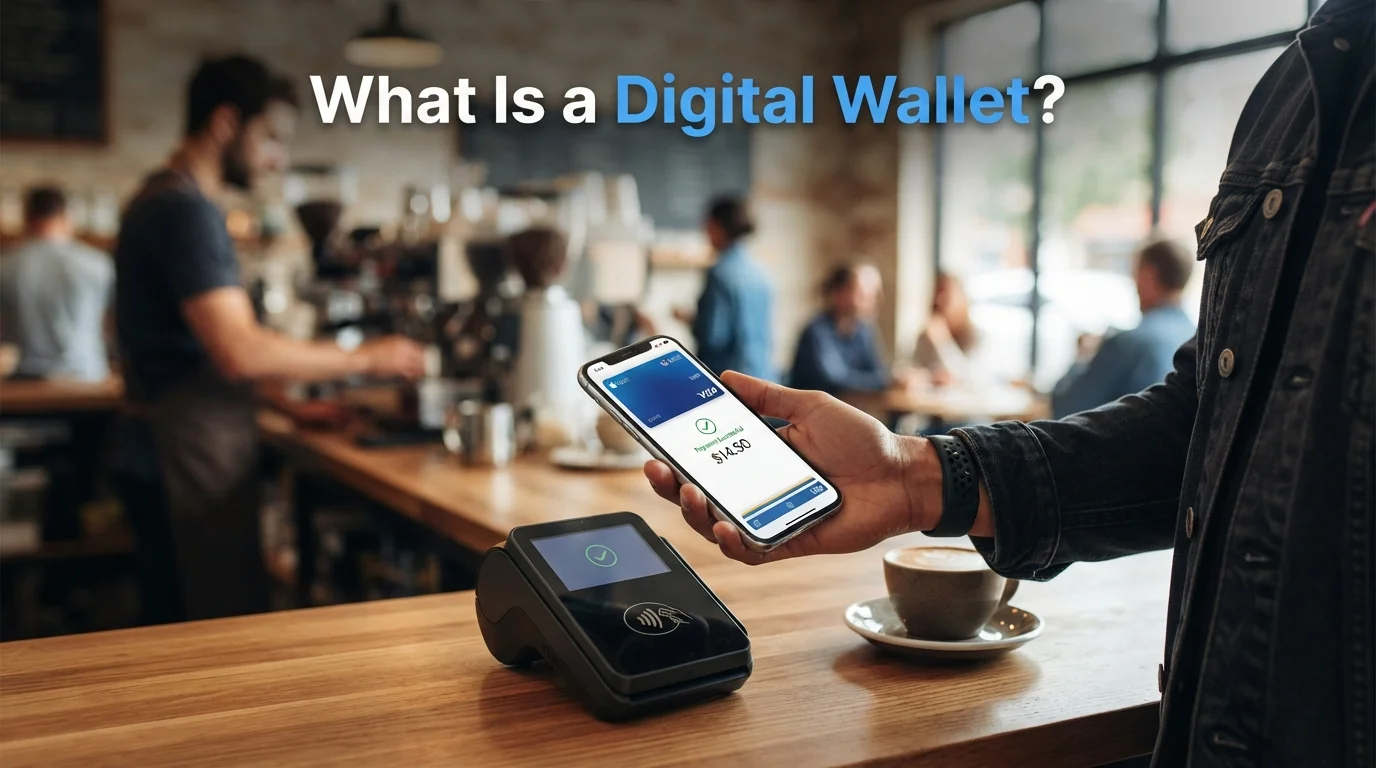
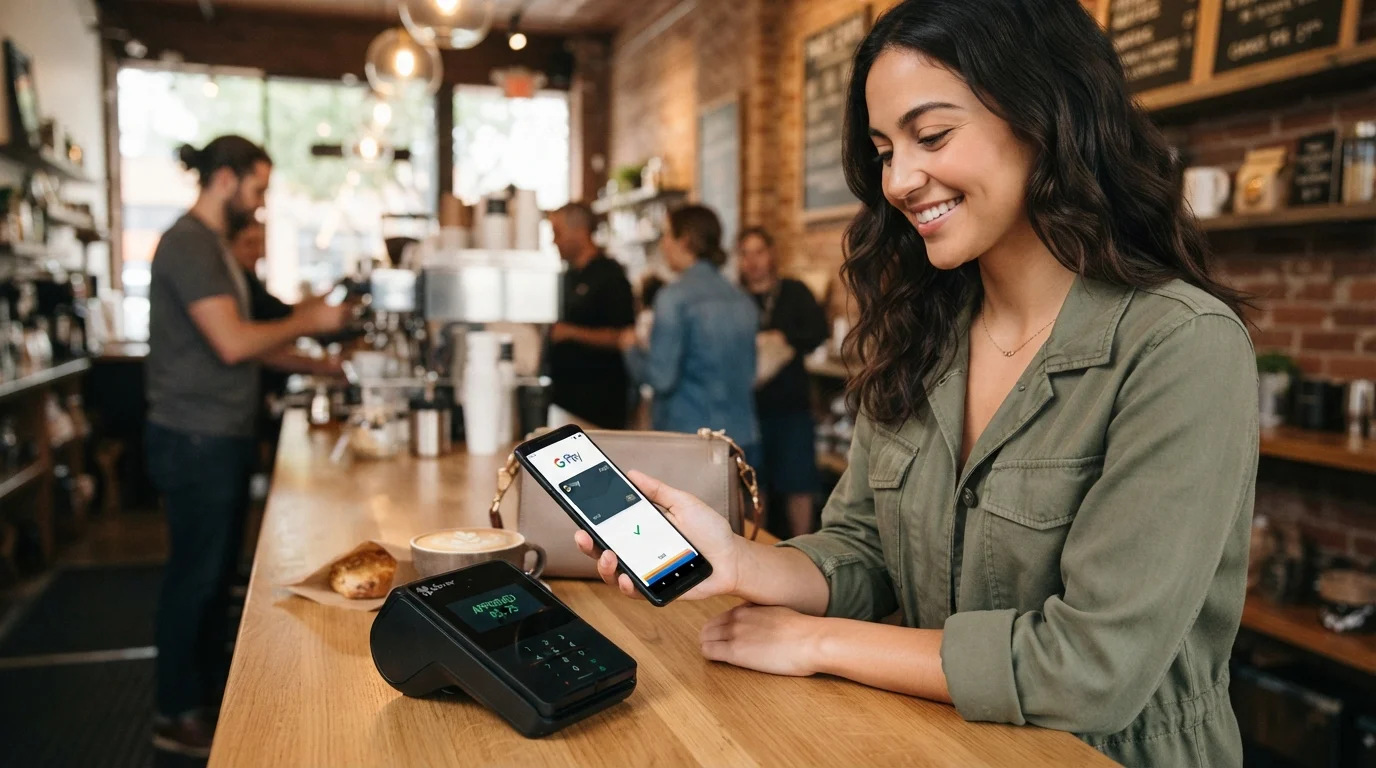
At its core, a digital wallet is a virtual version of your physical wallet stored securely on your smartphone, tablet, or computer. It securely holds digital representations of your credit cards, debit cards, loyalty cards, and even event tickets. When you add a card to a digital wallet like Apple Pay, Google Pay, or Samsung Pay, the application uses advanced technology to simplify transactions without exposing your actual financial details to merchants.
The magic behind digital wallets relies heavily on two major technologies: NFC (Near Field Communication) and Tokenization.
- Tokenization (The Security Shield): When you link a card, the digital wallet service replaces your sensitive 16-digit card number with a unique, randomized string of numbers known as a “token.” When you make a purchase, only this token is transmitted to the merchant. If a hacker intercepts the data during transmission, they gain nothing of value because the token is useless outside of that specific transaction context.
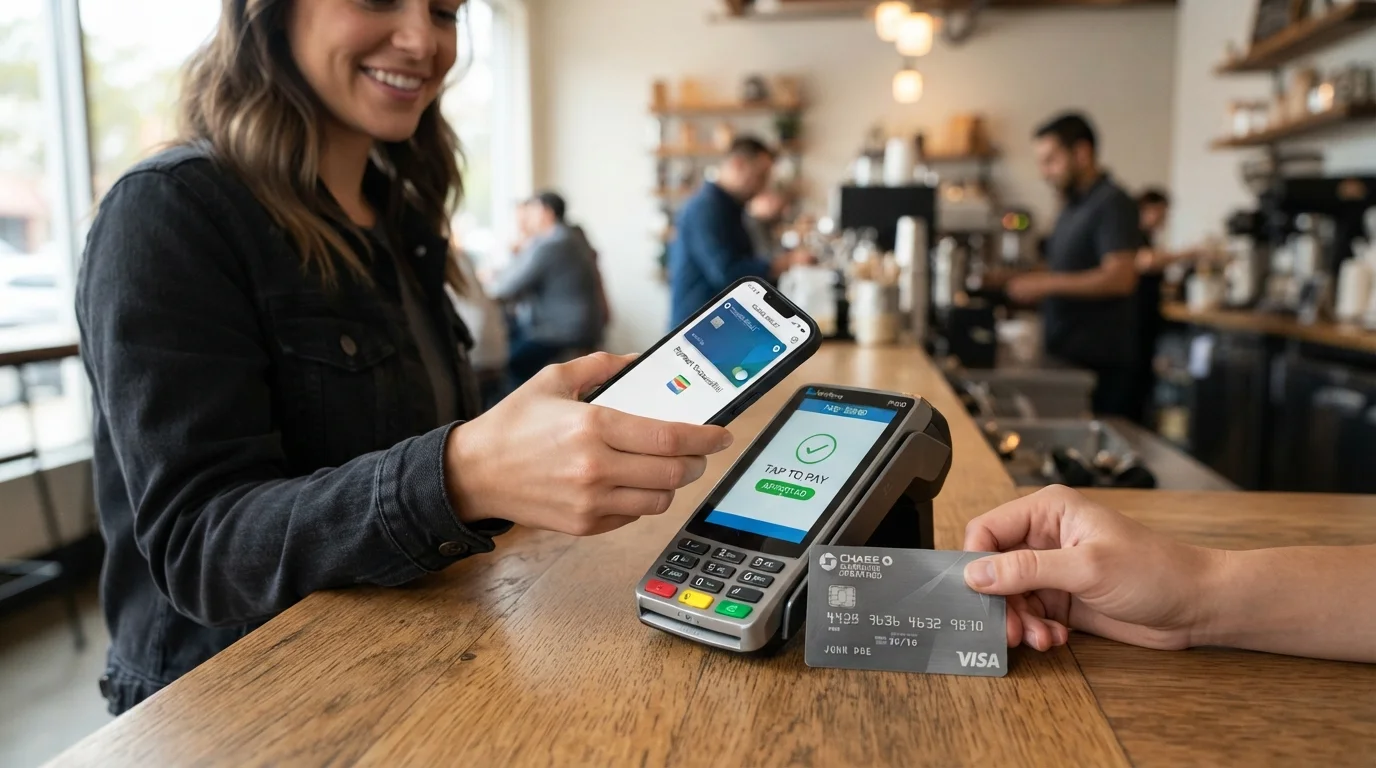
- NFC Technology (The Touchless Bridge): NFC allows devices to communicate wirelessly when they are brought into close proximity—usually just a few centimeters apart. When you hold your phone near a contactless card reader at a store, your device and the terminal securely exchange encrypted authorization data within fractions of a second, completing the payment instantly.
Beyond in-store purchases, digital wallets excel in e-commerce and peer-to-peer (P2P) transfers. Instead of manually typing out long credit card numbers, billing addresses, and CVV codes on every shopping website, a digital wallet allows you to check out with a single click or biometric scan (like Face ID or fingerprint recognition). Furthermore, platforms like PayPal, Venmo, and Cash App enable instant money transfers between friends and family across the globe.
As we move closer to a cashless society, digital wallets are expanding beyond simple payments. They are now storing boarding passes, digital IDs, vaccination records, and transit cards. By embracing digital wallets, users enjoy unmatched convenience, speed, and elevated security against traditional credit card theft.
Whether you are a tech enthusiast or someone just starting to transition away from physical cash, mastering the mechanics of digital wallets is essential for navigating modern finance safely.