 admin
admin Digital wallets have revolutionized how we manage money, pay for goods, and handle cryptocurrencies. However, storing financial assets and sensitive personal data online makes digital wallets prime targets for cybercriminals. Whether you use a mobile wallet, a web-based platform, or a hardware cold storage device, implementing robust security measures is non-negotiable.
Key Best Practices for Digital Wallet Security
- Use Strong and Unique Authentication: Always set a complex password or a secure PIN that cannot be easily guessed. Never reuse passwords across multiple financial platforms.
- Enable Multi-Factor Authentication (MFA): Turn on two-factor authentication (2FA) or multi-factor authentication everywhere it is available. Prefer hardware security keys or authenticator apps (like Google Authenticator) over SMS-based codes, which are vulnerable to SIM-swapping attacks.
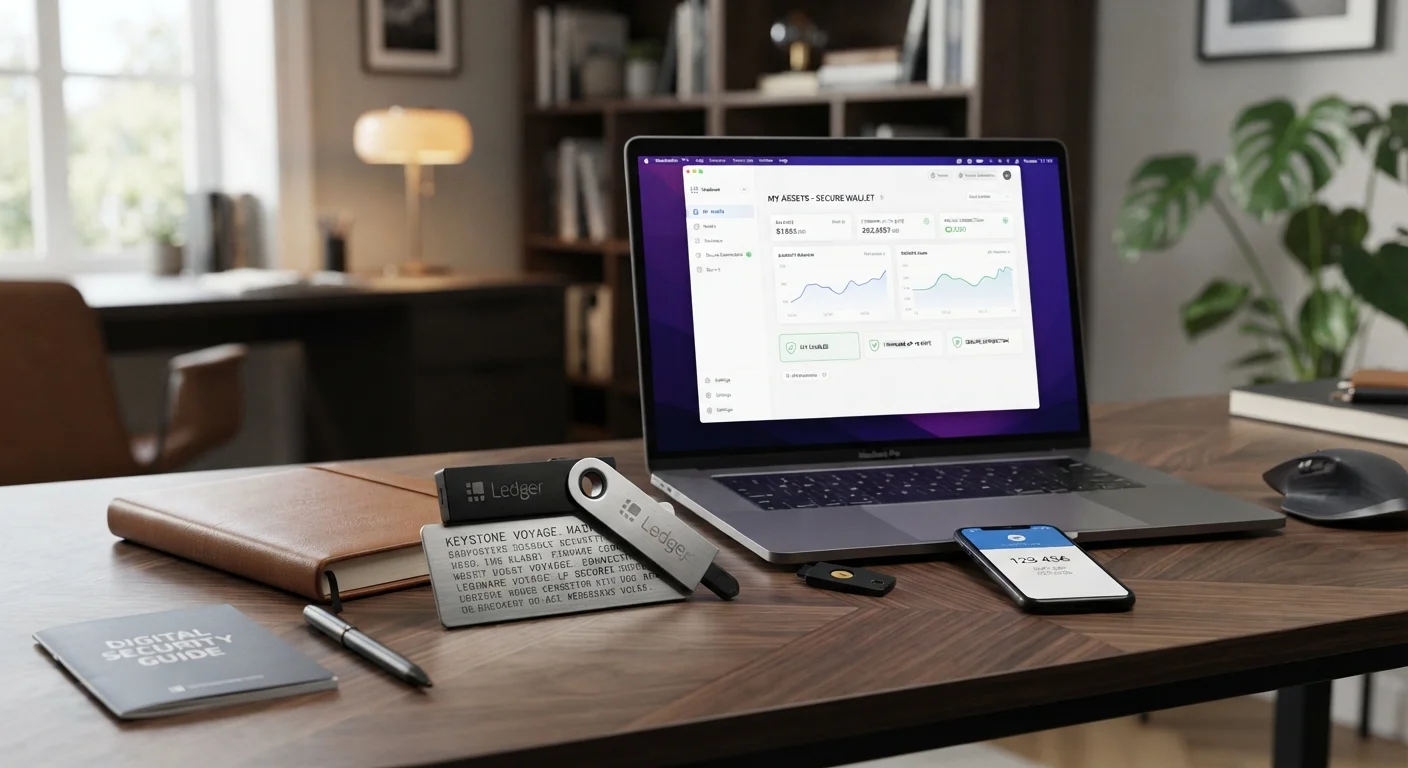
- Safeguard Your Recovery Phrase: If you use a cryptocurrency or decentralized wallet, you will be given a seed phrase (usually 12 to 24 words). Write this phrase down on paper or stamp it on metal. Never store your seed phrase digitally in screenshots, cloud notes, or emails, and never share it with anyone.
- Keep Software and Firmware Updated: Cybercriminals constantly find vulnerabilities in software. Regularly update your wallet applications, operating systems, and hardware device firmware to patch these security flaws immediately.
- Beware of Phishing Scams: Attackers frequently send fake emails, text messages, or set up fraudulent websites mimicking popular wallet providers. Always double-check URLs, bookmark official login pages, and never click on unsolicited links.
- Utilize Hardware Wallets for Large Sums: If you hold significant amounts of cryptocurrency, transfer them to a hardware wallet (cold storage) that stays offline. This ensures your private keys never touch an internet-connected device.
- Monitor Account Activity Regularly: Check your transaction history frequently. Set up notifications or alerts for any outgoing transactions so you can spot unauthorized activity instantly and take swift action.
Conclusion
Securing your digital wallet is an ongoing process that requires constant vigilance and proactive habits. By combining strong authentication, secure offline backups for your recovery phrases, and a healthy skepticism toward unexpected links, you can drastically reduce the risk of theft. Prioritize your digital hygiene today to protect your financial future tomorrow.
Tags: cryptocurrency security cybersecurity best practices digital wallet security secure crypto wallet seed phrase protection two-factor authentication