 admin
admin In today’s fast-paced digital economy, the way we pay for goods and services has shifted dramatically. Gone are the days when carrying a bulky leather wallet filled with cash and cards was the only option. Now, consumers face a modern financial dilemma: Digital Wallet vs. Credit Card. While both tools offer incredible convenience and speed, they operate differently and cater to different financial habits. Understanding the nuances of each can help you manage your money smarter, earn better rewards, and protect your hard-earned cash from digital threats.
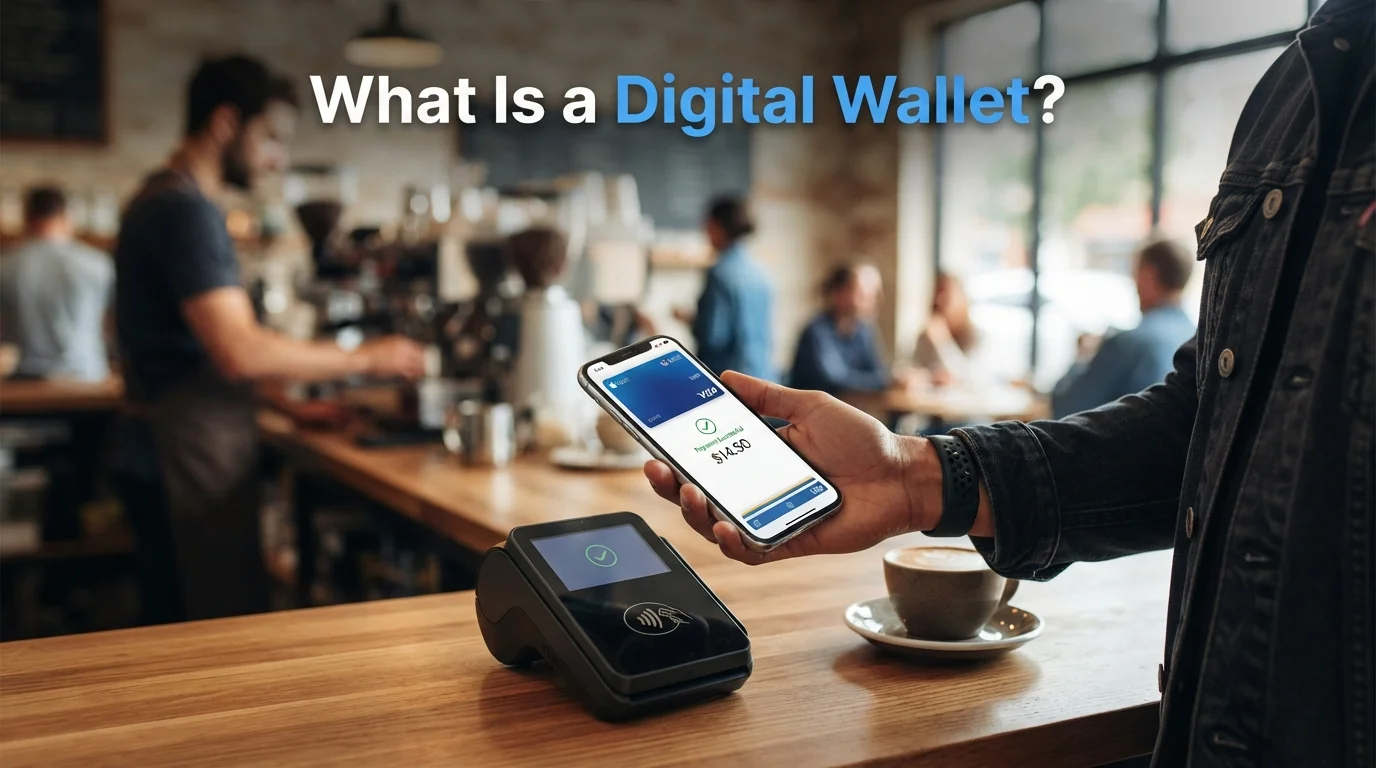
What is a Digital Wallet?
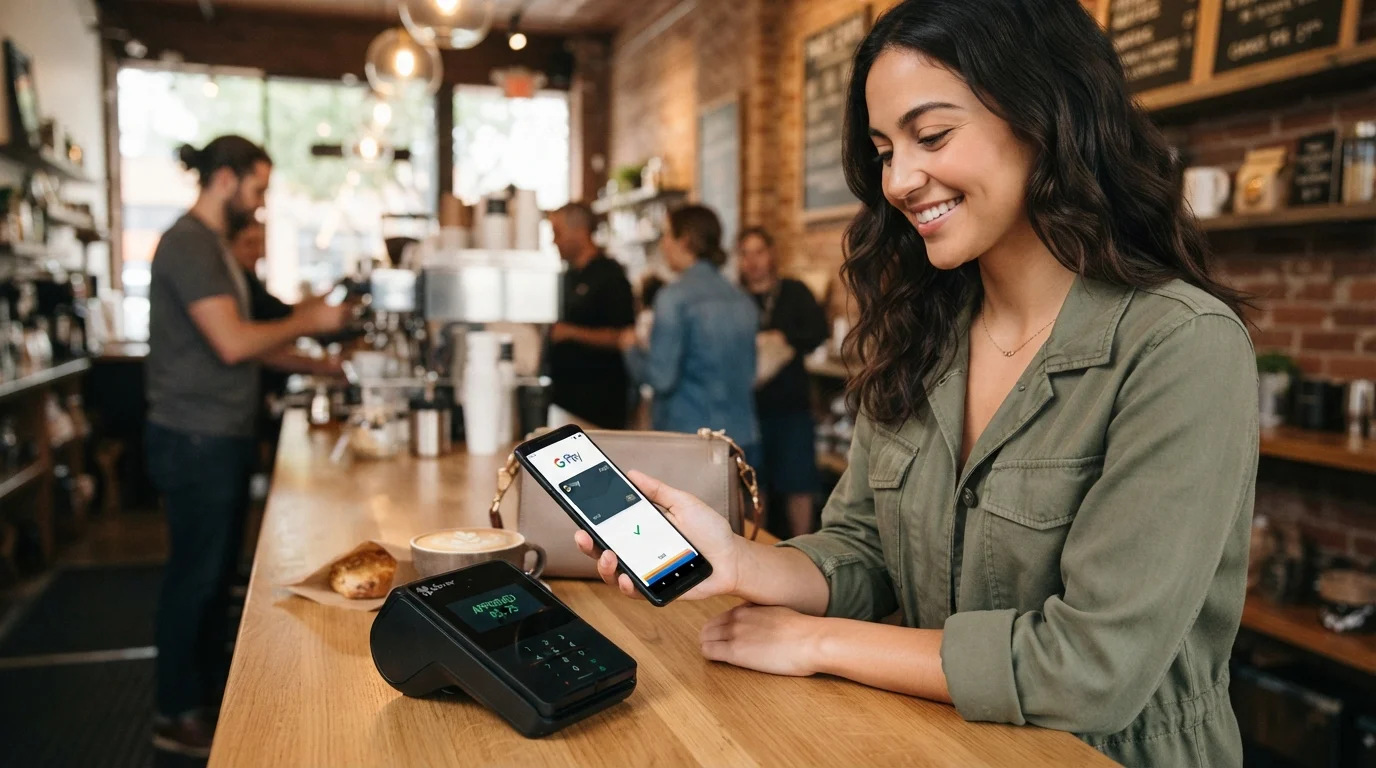
A digital wallet (such as Apple Pay, Google Pay, or PayPal) is a software-based system that securely stores your payment information—including credit and debit cards, loyalty programs, and transit passes—on your smartphone or smartwatch.
- Key Benefits: Unmatched convenience, “tap-to-pay” capability, and enhanced security. When you use a digital wallet, your actual card number is never shared with the merchant; instead, it uses tokenization to keep your data safe.
- Drawdowns: You still need to link a funding source (like a bank account or credit card) to it, and some small merchants may not support contactless payment methods yet.
What is a Credit Card?
A credit card is a physical piece of plastic or metal issued by a bank that allows you to borrow funds up to a certain credit limit to purchase goods and services. You agree to pay the money back later, usually with interest if you carry a balance past the due date.
- Key Benefits: Excellent fraud protection, building credit history, and lucrative rewards programs like cash back, travel miles, and sign-up bonuses.
- Drawdowns: Risk of overspending, potential debt accumulation if balances aren’t paid in full, and high-interest rates or annual fees.
Which One Should You Use?
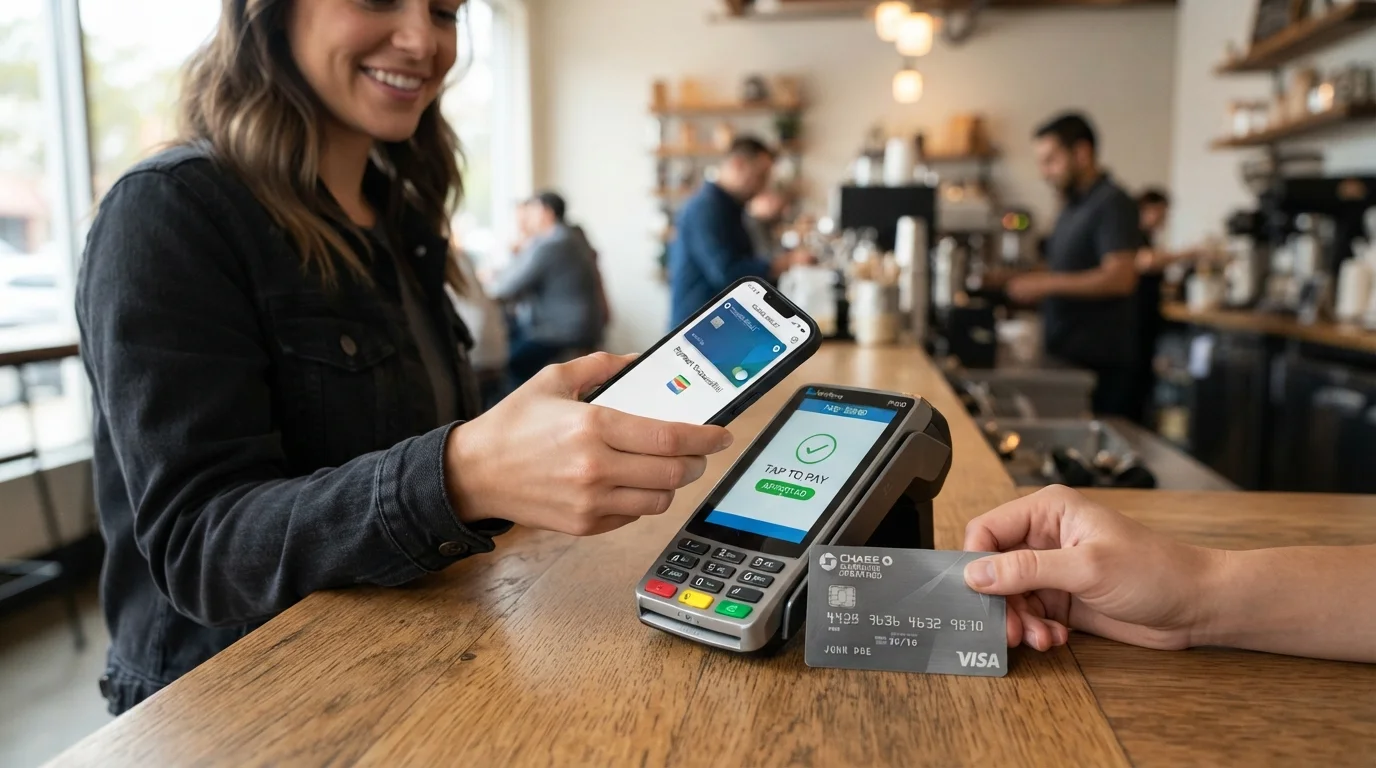
Interestingly, the choice isn’t always binary. In fact, the most secure and rewarding strategy often involves combining both. You can load your physical credit cards into your digital wallet. This gives you the best of both worlds: the robust fraud protection and rewards of your credit card, paired with the lightning-fast, highly secure tap-to-pay convenience of your smartphone.
Ultimately, your choice depends on your daily lifestyle. If you prefer traveling light and prioritizing maximum mobile convenience, digital wallets win. If you want to build your credit score while earning travel perks, traditional credit cards are essential.
Which payment method do you find yourself reaching for more often? Let us know your thoughts in the comments below!