jotform757@gmail.com
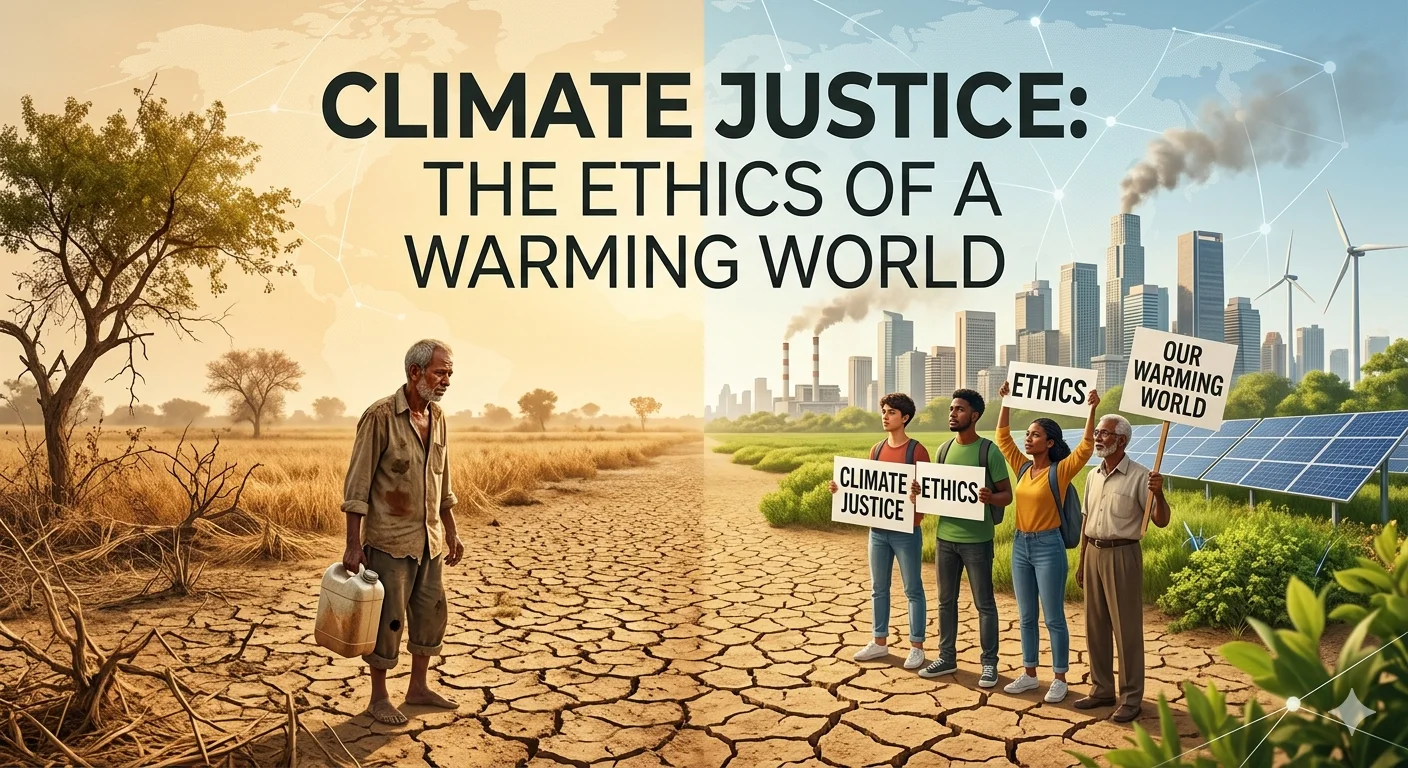
 The burden of global warming is not shared equally. This is the core of “Climate Justice.” The nations that contributed the least to global carbon emissions—the developing countries of the Global South—are the ones suffering the most from its effects. This creates a moral and ethical dilemma that the world must address.
The Inequality of Impact A small farmer in South Asia or a fisherman in the Pacific Islands contributes almost nothing to the global carbon footprint. Yet, they face the most immediate threats from rising sea levels, extreme heatwaves, and devastating floods. Meanwhile, the industrialized nations that built their wealth on fossil fuels have the resources to build sea walls and air-conditioned cities.
Loss and Damage The concept of “Loss and Damage” has become a major talking point in international climate summits (COP). It argues that wealthy nations should provide financial compensation and technological support to poorer nations to help them adapt to climate change and recover from climate-related disasters. This isn’t just “aid”; it is seen as a historical debt.
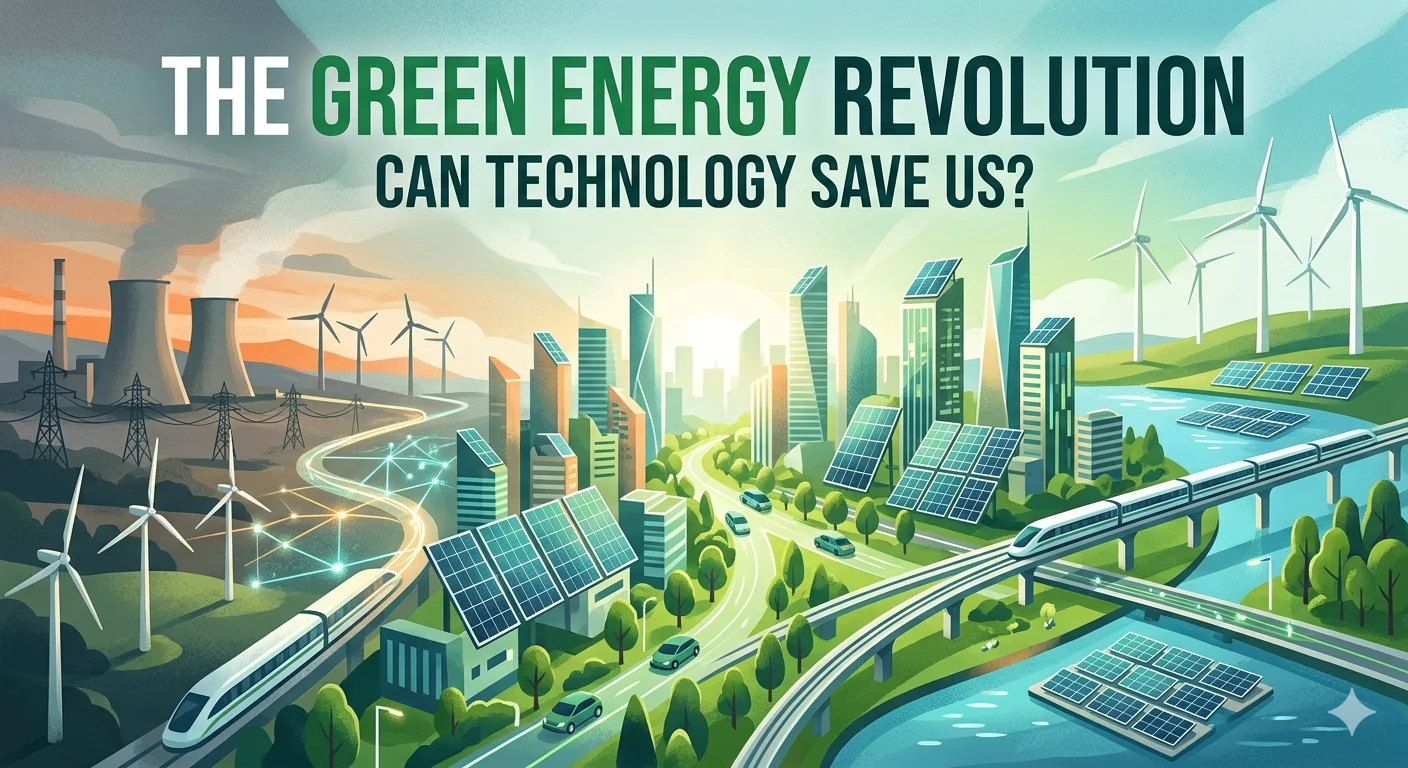
The Path Toward Equity True climate justice also means ensuring that the transition to a green economy is “just.” We must ensure that workers in the coal and oil industries are not left behind and that green energy is accessible to everyone, not just the wealthy. By centering human rights and equity in our climate policies, we can build a world that is not only cooler but also fairer. Solving global warming is as much a social challenge as it is a scientific one.