jotform757@gmail.com
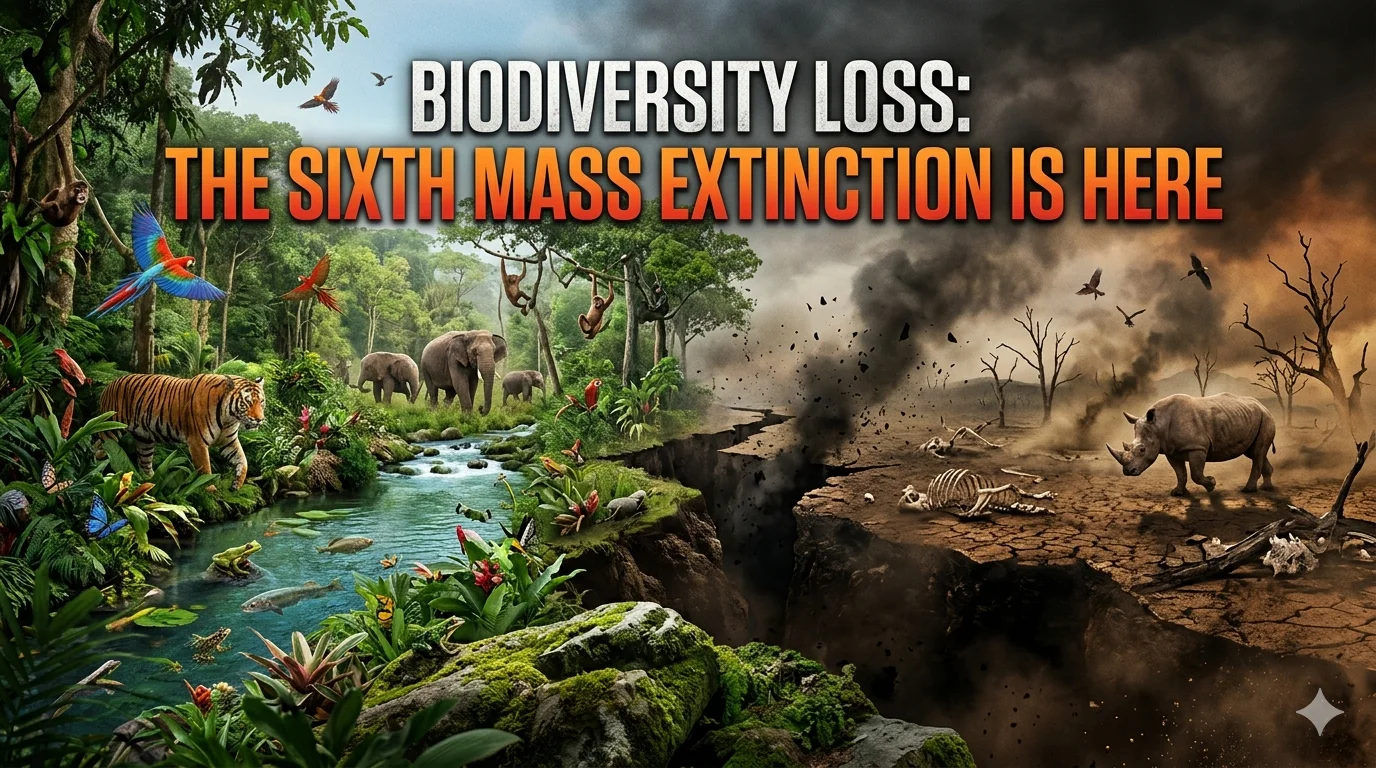
 Global warming is the primary driver of what scientists are calling the “Sixth Mass Extinction.” Unlike previous extinctions caused by asteroids or volcanic activity, this one is human-made. We are losing species at a rate 1,000 times higher than the natural background rate, and the implications for human survival are profound.
The Interconnected Web of Life Every species, from the smallest bee to the largest whale, plays a role in an ecosystem. When one species goes extinct, it triggers a “trophic cascade.” For example, the loss of pollinators (bees and butterflies) directly threatens global food security. Without them, most of our fruits, vegetables, and nuts would vanish.
Habitat Destruction and Climate Change As temperatures rise, many species are unable to migrate or adapt fast enough. Animals are moving toward the poles or higher altitudes to find cooler climates. But what happens to the polar bear when the ice vanishes? What happens to the mountain goat when there is nowhere higher to go? Combined with deforestation for palm oil or cattle ranching, we are squeezing the wild out of existence.
A New Ethic of Conservation Conservation in the 21st century must move beyond just “saving the pandas.” We need to protect entire biomes. This involves “rewilding” projects—returning large tracts of land to their natural state—and creating wildlife corridors that allow species to migrate safely. Protecting biodiversity is not an act of charity; it is an act of self-preservation. A biologically diverse planet is a resilient planet, better equipped to handle the shocks of a changing climate.